New findings reveal that the world’s current climate commitments would slash emissions by only a fraction of what is needed to avoid catastrophic warming.
A sweeping new United Nations analysis has found that the world’s collective climate pledges are nowhere near sufficient to keep global warming below 1.5°C, the critical threshold scientists say is necessary to prevent the most devastating consequences of climate change. The UNFCCC Synthesis Report on Nationally Determined Contributions (NDCs), released today, concludes that global emissions are projected to fall by just 10 percent by 2035 compared with 2019 levels, far short of the 60 percent reduction required to stay on track with the Paris Agreement.
The findings paint a stark picture: while more countries than ever have submitted updated climate plans, the speed and ambition of their actions continue to lag far behind what the science demands.
A Growing Gap Between Promises and Reality
The UNFCCC NDC Synthesis Report assessed the latest climate pledges from more than 60 countries. Despite an uptick in participation, the aggregate impact of these commitments would still push global temperatures toward 2.5°C of warming or more by the end of the century.
Major emitters bear much of the responsibility for the shortfall. The European Union and China, the world’s second-largest and largest emitters respectively, have been criticized for either delaying or offering minimal updates to their previous targets. China’s latest plan to reduce carbon output by only 7 to 10 percent from its peak by 2035 has drawn particular concern for being out of sync with the 1.5°C pathway.
Meanwhile, the United States’ pledge, made near the end of the previous administration, is now overshadowed by political uncertainty at home, with experts warning that backtracking could derail global momentum.
A Defining Test Ahead of COP30 in Brazil
The timing of the report is no coincidence. World leaders will gather in Belém, Brazil, for COP30 in just a few weeks, where expectations are mounting for stronger commitments and more credible delivery plans.
UN Climate Executive Secretary Simon Stiell called the findings “a red alert for humanity,” urging governments to turn “promises into action” before the next round of global negotiations. He warned that incremental progress is no longer enough and that countries must “shift from planning to implementation at speed and scale.”
Developing Nations Left in the Balance
For developing nations already grappling with rising temperatures, severe droughts, and floods, the lack of ambition from wealthier countries translates into escalating risk. Without significant financial and technological support, many low- and middle-income nations will struggle to achieve their own emissions targets or invest in adaptation measures.
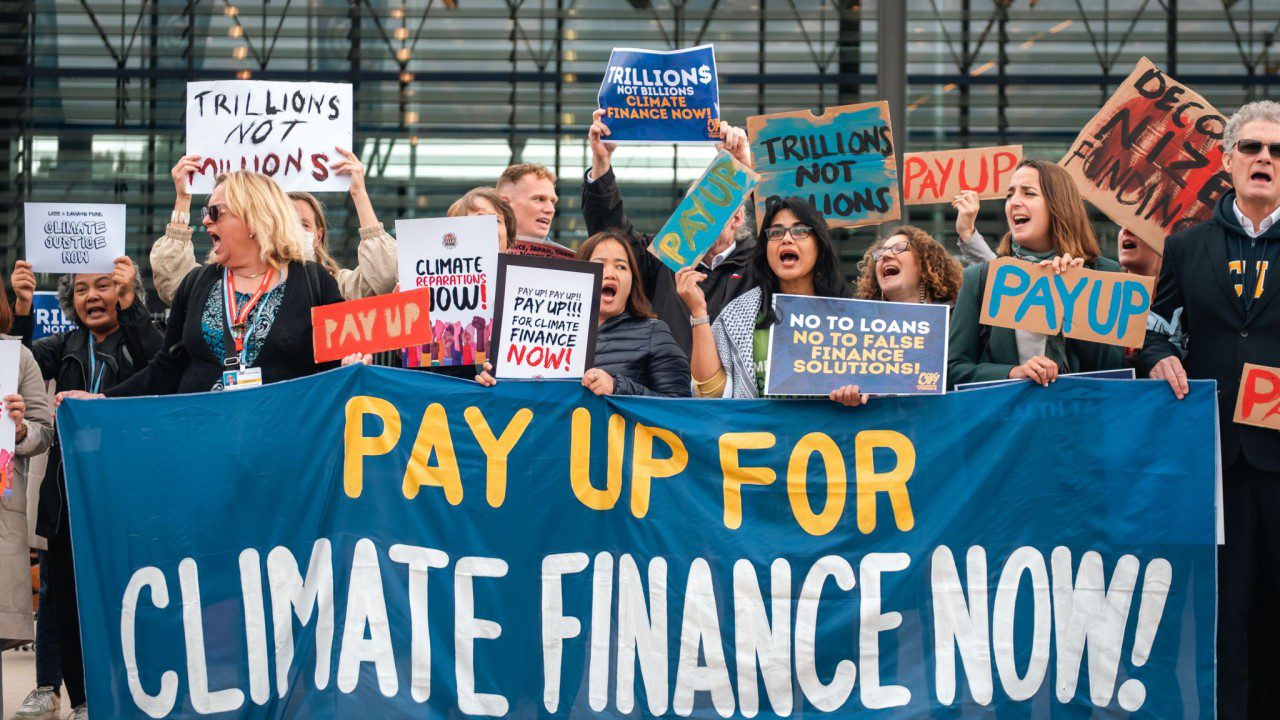
Brazil, as host of COP30, is expected to prioritize discussions around climate finance, particularly mechanisms to help vulnerable nations access funding for resilience, conservation, and transition projects.
Scientists Warn of a Narrowing Window
Climate scientists and policy experts are unanimous: the opportunity to course-correct is closing fast. Even though over 80 percent of the global economy is now covered by net-zero commitments, most of these targets are too distant or lack credible short-term pathways.
“The issue is not ambition on paper, it’s implementation in practice,” one analyst said. “We have the frameworks, we have the science, but we’re missing coordinated delivery at scale.”
A Moment of Reckoning
The UN’s latest report serves as both a warning and a call to action. With only a decade left to prevent runaway warming, the pressure on policymakers, corporations, and financial institutions to close the ambition gap has never been greater.
At COP30, the world’s leaders face a defining test: whether to continue with incremental progress or to finally deliver the transformational action that the planet and future generations urgently need.
Related Content: Just Released New Report from UN on Supercharging the New Energy Era
 Follow SDG News on LinkedIn