The Iran War is rapidly becoming one of the most consequential geopolitical shocks to the global energy system in decades. Beyond the immediate humanitarian and economic consequences, the conflict is exposing a deeper vulnerability: the world economy still depends heavily on oil supply chains concentrated in geopolitically fragile regions.
That realization is now reshaping energy policy across governments. The conflict has triggered one of the largest disruptions to oil markets in modern history, forcing countries to rethink energy security and accelerate the transition toward domestic, resilient energy systems.
The result is a structural shift already underway but now gaining urgency: the global race toward energy independence.
The War That Shook Global Energy Markets
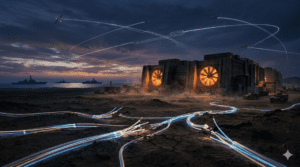
The current conflict has produced a shock rarely seen in energy markets. Analysts estimate the war has disrupted roughly 8 million barrels of oil per day, nearly 8 percent of global demand, making it one of the largest supply shocks ever recorded.
Much of the disruption stems from instability around the Strait of Hormuz, the narrow maritime corridor between Iran and Oman that serves as one of the world’s most critical energy chokepoints. Roughly 20 million barrels of oil pass through the strait every day, representing about one fifth of global oil flows.
When tensions escalated and tanker traffic collapsed in early March, global markets reacted instantly. Oil prices surged above $100 per barrel, and shipping costs for energy cargoes jumped sharply as insurers and logistics companies reassessed the risks of operating in the region.
To stabilize markets, governments coordinated the release of approximately 400 million barrels from strategic petroleum reserves, the largest emergency release in history. The move helped calm markets but also underscored how dependent the global economy remains on fragile energy supply chains.
For policymakers, the message has been unmistakable: energy security can no longer rely on geopolitical stability alone.
A System Built on Vulnerable Supply Chains
The crisis highlights the structural risks embedded in the current energy system. Oil supply remains highly concentrated geographically, with large portions of global exports flowing through narrow maritime chokepoints such as the Strait of Hormuz.
The consequences are global. Asian economies including China, India, Japan, and South Korea receive the majority of the oil transported through the corridor, leaving them particularly exposed to disruptions in the region.
Even for countries less dependent on Middle Eastern oil, the interconnected nature of global energy markets means supply disruptions quickly ripple through the global economy, affecting fuel prices, inflation, and economic growth.
This vulnerability is pushing governments to rethink the fundamentals of energy security.
Energy Independence Becomes a Strategic Priority
Historically, energy policy has balanced three priorities: economic growth, environmental sustainability, and affordability. The Iran War is adding a fourth priority that now dominates government thinking: security.
Dependence on imported fossil fuels exposes nations to geopolitical risk. A conflict thousands of miles away can raise energy costs, disrupt supply chains, and destabilize economies.
As a result, many governments are accelerating investments aimed at reducing exposure to global oil markets. These include expanding renewable power generation, electrifying transportation systems, strengthening domestic energy infrastructure, and diversifying supply chains for critical minerals and energy technologies.
In effect, the war is reframing the global energy transition not just as a climate imperative, but as a geopolitical strategy.
The Rise of Electricity-Based Energy Systems
One of the most significant shifts underway is the growing emphasis on electrification.
Unlike oil, electricity can be generated domestically using a variety of energy sources. Solar, wind, hydroelectric, and nuclear power do not depend on maritime supply routes or vulnerable pipelines.
Renewable energy is already transforming the global energy landscape. In recent years it has accounted for the largest share of new power generation capacity worldwide, with global renewable capacity now measured in the thousands of gigawatts.
At the same time, electric vehicle adoption is accelerating the shift away from petroleum in transportation. Global EV sales now exceed 17 million vehicles annually, representing roughly one fifth of all new cars sold worldwide.
These trends are gradually reducing the role of oil in key sectors of the economy, allowing countries to build energy systems that rely more heavily on domestic electricity generation.
Renewable Energy Expansion Accelerates
The scale of renewable energy deployment continues to increase rapidly.
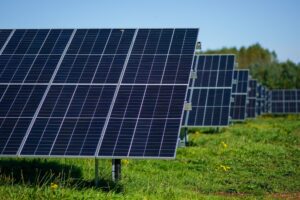
Solar and wind technologies now account for the vast majority of new power installations worldwide. Global solar capacity alone has surpassed two terawatts, reflecting record levels of annual deployment.
Looking ahead, renewable power installations are expected to expand dramatically. Global renewable electricity capacity could increase by more than 4,600 gigawatts by 2030, effectively doubling the pace of expansion seen in the previous decade.
For governments concerned about geopolitical vulnerability, this expansion offers a clear strategic advantage. Electricity generated from domestic renewable resources cannot be disrupted by international conflict or maritime chokepoints.
Nuclear Power Returns to the Policy Agenda
While renewable energy continues to grow rapidly, many governments are also reconsidering nuclear power as a key pillar of energy independence.
Nuclear energy provides reliable, low-carbon electricity that can operate continuously regardless of weather conditions. Global nuclear generation currently provides roughly 2,800 terawatt hours of electricity annually, supplying stable baseload power for many countries.
Several governments are now exploring next generation nuclear technologies, including small modular reactors that promise faster deployment and lower costs.
In a world where energy infrastructure has become a potential target of conflict, nuclear power offers a rare combination of stability, resilience, and strategic value.
A Turning Point for the Global Energy System
The Iran War did not create the global energy transition. That transformation was already underway, driven by climate policy, technological innovation, and declining costs of renewable energy.
But the conflict is accelerating it.
By exposing the vulnerabilities of the global oil system, the war is pushing governments to move faster toward energy independence. Investments in domestic electricity generation, grid infrastructure, battery storage, and electrified transportation are no longer viewed solely as climate solutions. They are increasingly seen as strategic defenses against geopolitical instability.
For much of the twentieth century, global power was shaped by control of oil reserves and shipping routes.
The emerging energy system may look very different.
In the decades ahead, influence may belong not to the nations that control oil, but to those that can generate abundant electricity, secure supply chains for clean energy technologies, and build resilient energy systems at home.
RELATED STORIES:
- The Iran War’s Shock to the Global System: Energy, Economics, and Global Governance in Crisis
- Europe on the Sidelines: How the Iran War Is Forcing a Strategic Reckoning
- Mexico’s President Says U.N. ‘Has Stopped Fulfilling Its Role’ as Iran Conflict Tests Global Diplomacy
- $100 Oil and Rising: Iran War Triggers Global Energy Shock and Rewrites the Rules of the Energy Transition
- Iran War Shakes Gulf Economic Giants as UAE, Saudi Arabia, and Qatar Confront a New Reality
 Follow SDG News on LinkedIn