Key Impact Points:
- Scope 3 emissions drive urgency: Nearly 75% of Microsoft’s emissions stem from suppliers; reducing them is essential to achieving its 2030 carbon negative goal.
- Collaboration is the strategy: Microsoft’s first Global Supplier Sustainability Summit kickstarts a global forum for joint decarbonization.
- AI and CFE power progress: Microsoft is deploying AI and mandating carbon-free electricity to drive reductions across its complex supply chain.
Microsoft Launches Global Supplier Sustainability Push
“Microsoft is not doing this work because decarbonization is easy; we are doing it because it is necessary.” — Will Hudson, Director of Energy & Sustainability Policy, Microsoft
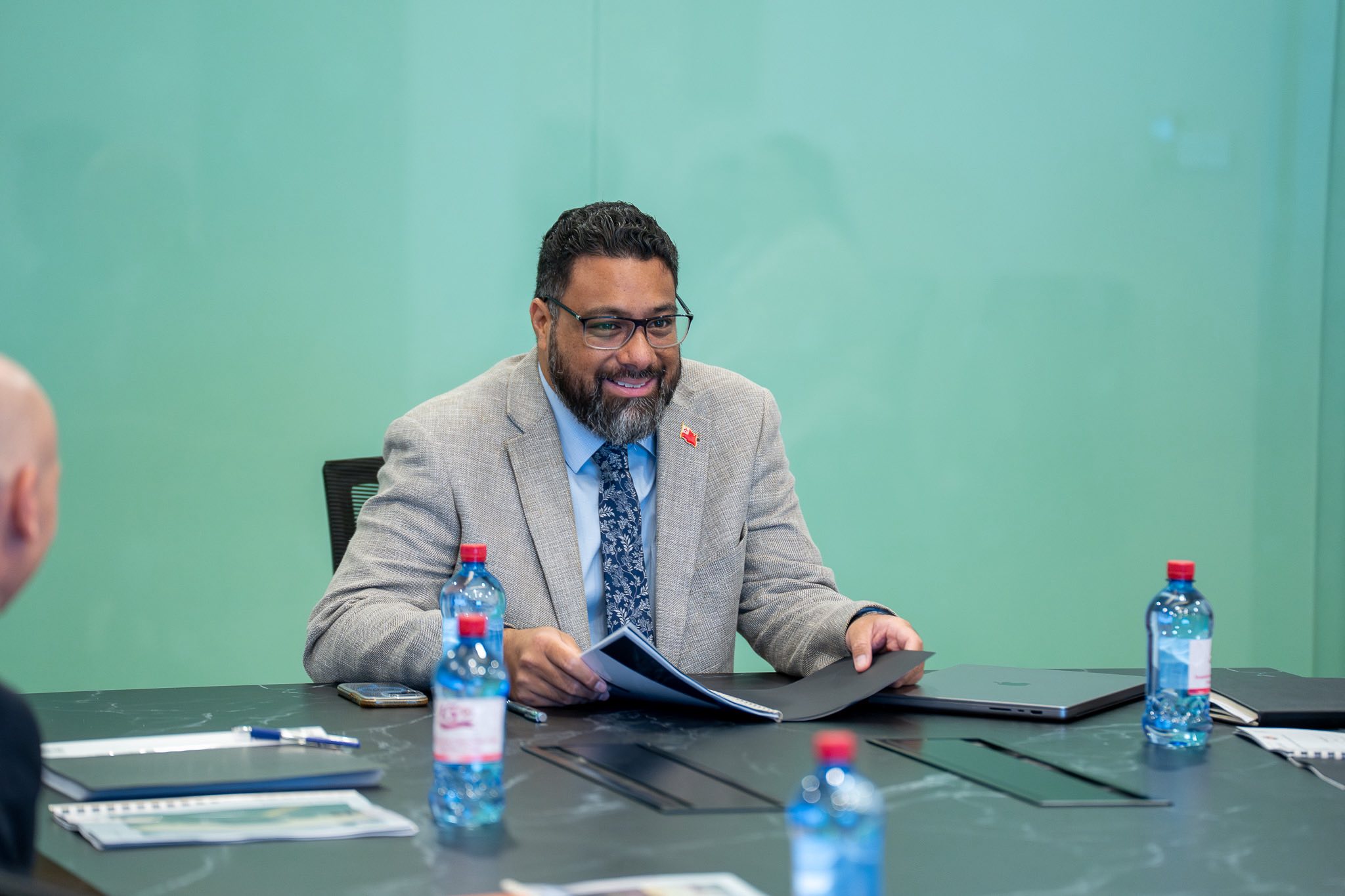
That message opened Microsoft’s first Global Supplier Sustainability Summit, held in Singapore this May, where the company brought together suppliers from Asia and around the world to accelerate collective climate action.
Suppliers Hold the Key to Microsoft’s Climate Goals
To reach its ambitious target of becoming carbon negative by 2030, Microsoft must slash emissions not just within its own operations — but across its entire value chain. That means cutting Scope 3 emissions, which made up 97.3% of Microsoft’s total emissions, according to the company’s latest data.
“The consequences of doing nothing, or doing too little too late, are unforgiving,” said Melanie Nakagawa, Microsoft’s Chief Sustainability Officer, addressing the summit delegates.
From 2020 to 2023, Microsoft’s Scope 3 emissions rose 26%, largely due to the expansion of datacenter infrastructure to support cloud and AI growth. Currently:
- Purchased goods and services make up 34% of Scope 3 emissions
- Capital goods contribute 40.8%
Together, these supplier-driven categories account for nearly three-quarters of Microsoft’s upstream carbon footprint.
Targeting Emissions Hotspots
Microsoft is taking a focused approach, identifying high-emission “hotspots” in its supply chain where interventions will have the most impact:
- Semiconductor manufacturing: high energy and potent gas use
- Electronic components: carbon-heavy fabrication processes
- Assembly and integration: emissions from materials and energy
- Raw materials: carbon-intensive mining and forming processes
Mandating Carbon-Free Electricity Use
To decarbonize supplier operations, Microsoft updated its Supplier Code of Conduct in 2024 to require suppliers, upon request, to use 100% carbon-free electricity (CFE) for Microsoft-related goods and services by 2030.
“This approach will drive new CFE generation into the grid and push down fossil in the power mix,” said Will Hudson at the summit.
To ensure real impact, the clean energy must be:
- Produced in the same region where it’s consumed
- Reflective of new additional generation, not repurposed from existing supply
AI Helps Accelerate Decarbonization
Microsoft is also investing in AI-based solutions to optimize grids, accelerate permitting, and reduce emissions:
- Portfolio company LineVision uses AI to unlock 50% more capacity in existing power lines.
- Internally, Microsoft uses AI to calculate 70% of product carbon footprints with supplier-provided primary data—well above the industry’s 20% average.
“There are tens of thousands of lines of calculations to calculate the carbon footprint of one device,” said Leo Aspauza, Director of Cloud Supply Chain Sustainability at Microsoft.
A Shared Response to Rising Electricity Demand
With electricity demand surging—driven by data centers, EVs, and electrification—Microsoft is prioritizing scalable low-carbon power such as wind, solar, nuclear, and grid optimization to keep pace while cutting emissions. Emerging technologies like hydrogen and ammonia are also under exploration.
Collaboration is the Way Forward
In her LinkedIn post after the summit, Melanie Nakagawa, emphasized:
“Nearly 75% of Microsoft’s Scope 3 emissions come from purchased goods and services and capital goods. This is an important reminder that our suppliers play a pivotal role in helping us reach our goal of carbon negative by 2030.”
She added:
“We’re making progress, but we know there’s still more work to be done. We remain committed to reducing our environmental impact and empowering our suppliers to do the same.”
The Global Supplier Sustainability Summit marked the beginning of what Microsoft hopes will become a lasting forum to drive progress through partnership, innovation, and accountability.
Related Article: Microsoft Supercharges Sustainability Efforts with Cutting-Edge AI
 Follow SDG News on LinkedIn