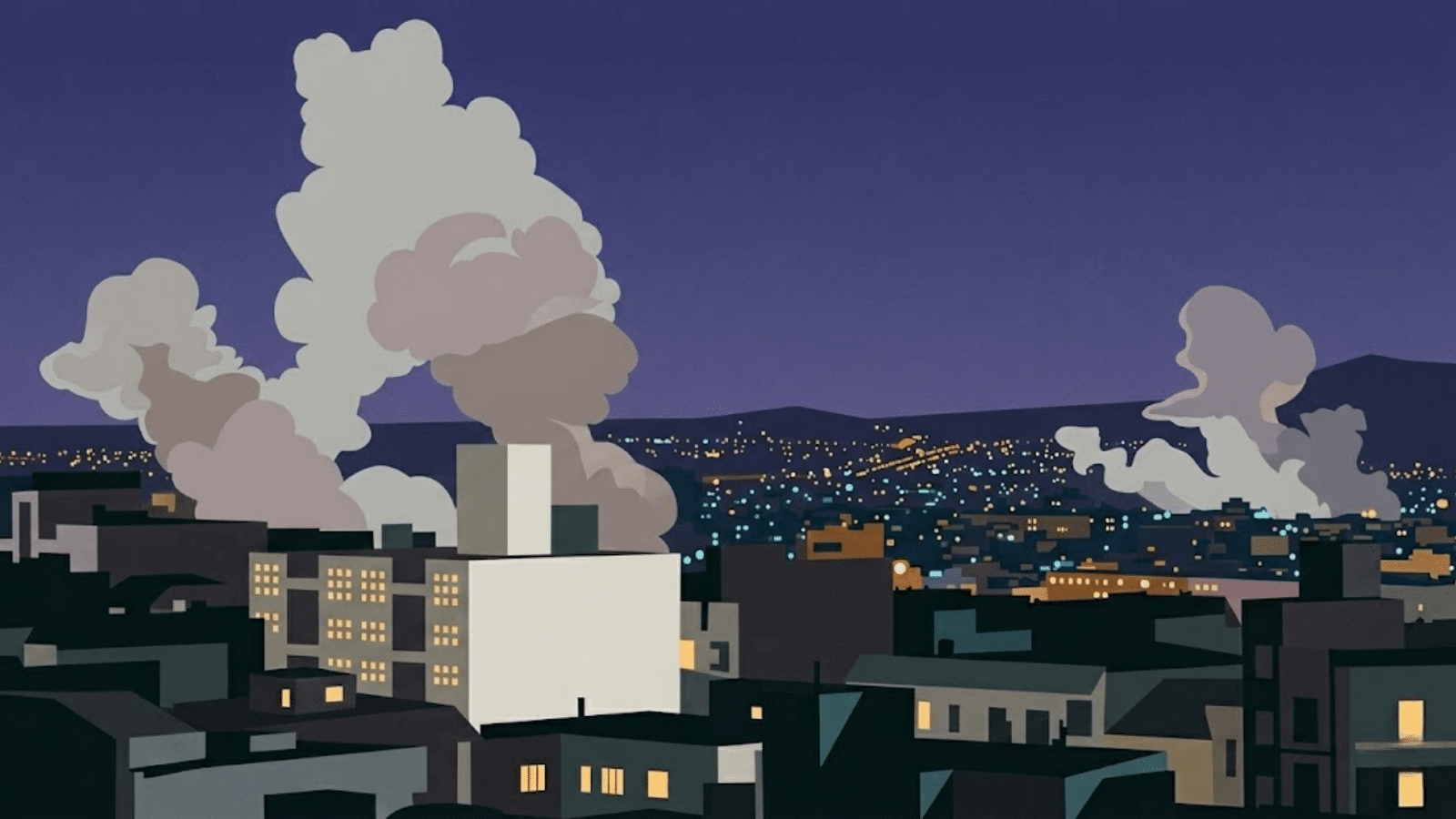
ANTANANARIVO — In a stunning reversal of power, Madagascar’s fragile democracy was upended this week when soldiers stormed the capital and installed Colonel Michael Randrianirina as head of state, prompting urgent calls from the United Nations to restore constitutional order.
Secretary-General António Guterres condemned the move as an “unconstitutional change of government” and urged restraint from all sides. The coup, executed in a matter of days, has sent shockwaves across Africa and reignited fears of democratic backsliding on the continent.
From Protests to Power Grab
The turmoil began weeks ago when frustration over rising living costs, power outages, and corruption erupted into mass protests across the island. Many demonstrators were young, digitally connected, and determined to challenge what they saw as an entrenched political elite.
As protests intensified, security forces clashed with demonstrators, leaving dozens dead and hundreds injured. The turning point came when Madagascar’s elite CAPSAT unit, once loyal to President Andry Rajoelina, refused to suppress protesters and joined their ranks instead.
With his authority collapsing, Rajoelina attempted to dissolve Parliament. Lawmakers defied the order, moved to impeach him, and the military swiftly seized power. Within days, Colonel Randrianirina stood before the High Constitutional Court and declared himself President of a “Refounded Republic,” promising an 18 to 24-month transition before elections.
A Nation at a Crossroads
The United Nations, African Union, and regional leaders have all condemned the coup and demanded a return to civilian rule. Yet inside Madagascar, opinions are divided.
Supporters of the new regime claim it marks a long-overdue reckoning, a chance to purge corruption and rebuild national institutions. But critics warn of a familiar pattern in African politics: military rulers promising reform while consolidating their grip on power.
Youth activists who helped topple Rajoelina are both triumphant and wary. Some see this as a victory for their generation, while others fear the revolution they started could be co-opted by the very forces they opposed.
The Road Ahead
Madagascar now faces an uncertain future. The new government must restore stability, maintain essential services, and navigate international pressure without alienating its citizens.
Diplomats warn that prolonged instability could derail economic recovery, disrupt foreign investment, and jeopardize progress on development goals tied to governance and equality.
For now, the streets of Antananarivo remain tense but hopeful. In a nation where coups have defined political history, the people of Madagascar are again left to wonder whether this moment marks the rebirth of democracy or its slow unraveling.
 Follow SDG News on LinkedIn