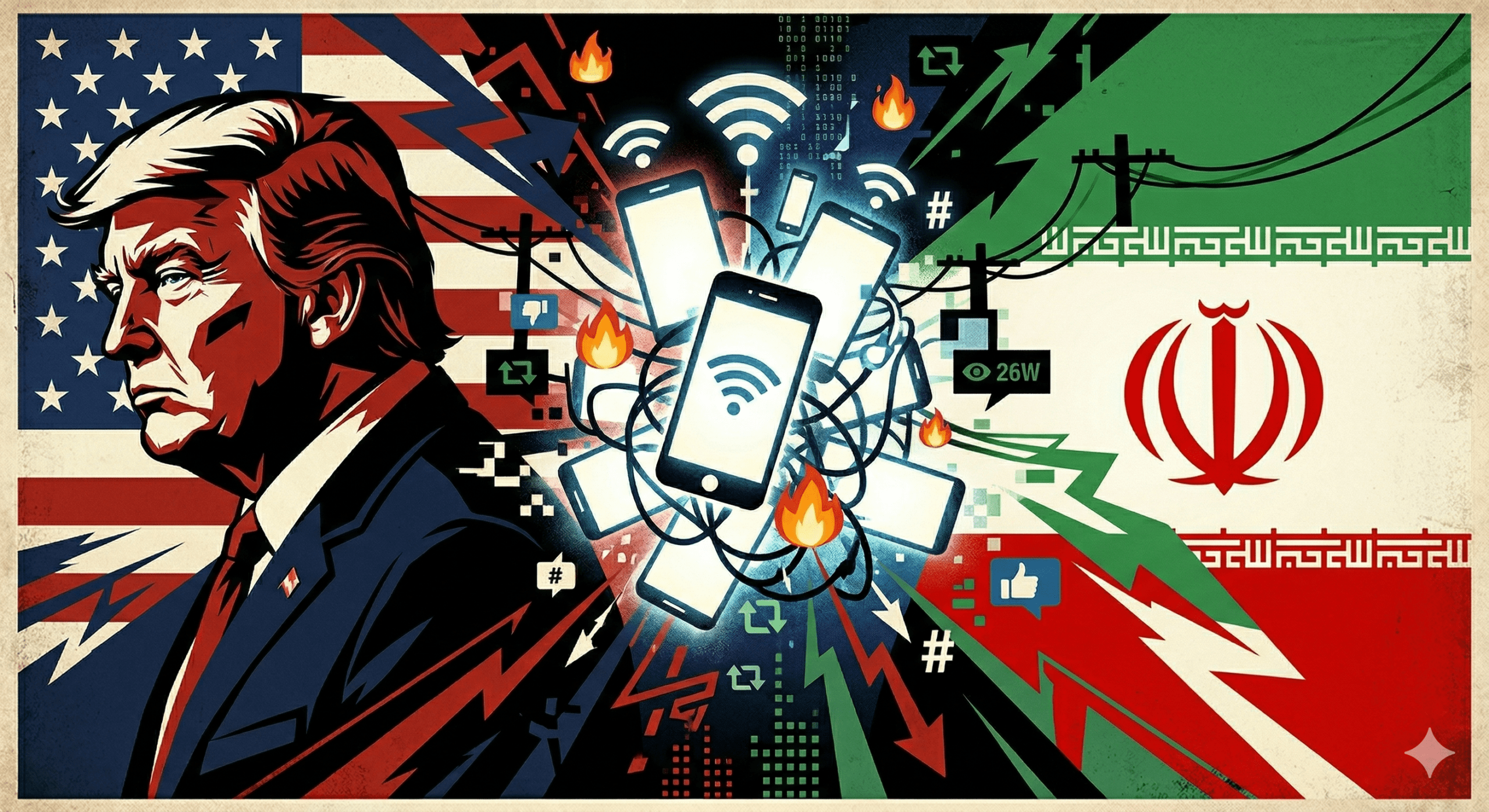
WASHINGTON — What began as a modest United Nations mechanism to stabilize Gaza has been transformed into one of the most audacious experiments in global diplomacy in decades. President Donald Trump’s new Board of Peace is now less about postwar reconstruction and more about who gets to define the future of international order.
Sold as a faster, tougher alternative to traditional multilateral institutions, the Board has quickly become a symbol of Trump’s broader campaign to sideline the United Nations and remake global governance on his own terms. To supporters, it is bold innovation. To critics, it is power politics wrapped in the language of peace.
How this started at the U.N.
In late 2025, the U.N. Security Council approved Resolution 2803 to support a fragile ceasefire in Gaza.
The resolution authorized two things. A temporary stabilization force to maintain security, and a Board of Peace to coordinate reconstruction and help restore civilian governance.
The mandate was clear, limited, and Gaza-specific. The Board was meant to be transitional, not permanent, and it was meant to operate under U.N. authority, not above it.
That is no longer the case.
From Gaza board to global board
In just weeks, the Trump administration expanded the Board far beyond its original purpose.
Instead of a temporary reconstruction body, it is now being positioned as a standing global institution that could shape responses to conflicts well beyond the Middle East. Roughly 60 countries have been invited to join.
Membership appears to be tiered, with permanent status tied to large financial contributions. Trump has also made clear that he intends to chair the Board himself.
This shift is happening while his administration cuts funding to U.N. agencies, challenges international courts, and questions long-standing alliances. In this context, the Board of Peace increasingly looks less like a U.N. partner and more like a U.S. alternative.
Why Russia’s invitation matters
One of the most consequential moves has been Trump’s invitation to Russia.
At a time of deep tensions over Ukraine, sanctions, and global influence, bringing Moscow into the Board signals that Trump sees this as a great power forum rather than a neutral humanitarian body.
Russia has responded cautiously, but even its potential participation shows how geopolitical competition will shape the Board from day one.
For supporters, this is realism. For critics, it risks legitimizing authoritarian influence inside an institution branded as peace-oriented.
The Nobel letter and Trump’s mindset
The Board’s launch follows an unusual diplomatic exchange with Norway’s prime minister. Trump publicly complained that he had never won the Nobel Peace Prize and suggested that, as a result, he felt less obligated to prioritize peace above all else.
That remark has become an important backdrop to the Board’s creation. It suggests a leader motivated not only by strategy but by grievance, legacy, and recognition.
Seen this way, the Board is as much about shaping history as shaping peace.
A new order taking shape
The real stakes go far beyond Gaza.
If the Board becomes the place where wealthy states buy influence and the U.S. sets the agenda, global governance could shift away from collective decision-making toward a more hierarchical system centered in Washington.
If it operates outside existing institutions, it could deepen fragmentation rather than solve it.
Yet Trump’s allies argue the U.N. has failed too often and that the Board offers speed, clarity, and decisiveness that the old system lacks.
What comes next
An initial membership list is expected soon. Governments must decide whether joining increases their influence or binds them to a U.S.-led framework.
Inside the U.N., diplomats are quietly debating whether to engage, resist, or try to shape the Board from within.
One thing is already clear. What started as a Gaza stabilization tool has become a test of the future global order.
The Board of Peace may carry the language of reconciliation. But its true legacy will be determined in the struggle over who controls the architecture of power.
And if history is any guide, Trump seems confident that peace, like soccer, is best judged by whoever hands out the trophy.
- UNGA President Closes Debate with Call for Action on Gaza, Ukraine, Climate, and UN Reform
- Nobel Sustainability Trust Extends A Legacy of Impact with 2025 Summit
- ENGIE Begins Construction of One of Europe’s Largest Battery Energy Storage Systems
- Sneak Peek for UNGA 2024
- Denmark Stands Firm: Backing Ørsted Through U.S. Policy Headwinds
 Follow SDG News on LinkedIn