WASHINGTON, D.C. — The global economy is entering a period of mounting pressure from two powerful forces at once.
As conflict in the Middle East continues to drive energy prices higher and inject new uncertainty into global markets, the Trump administration has unveiled a sweeping new round of tariffs on imports from dozens of countries—adding another layer of complexity for businesses, investors and policymakers already navigating an increasingly fragile economic landscape.
Either development would present significant challenges on its own. Together, they raise the prospect of higher inflation, slower growth and more difficult policy choices for governments around the world.
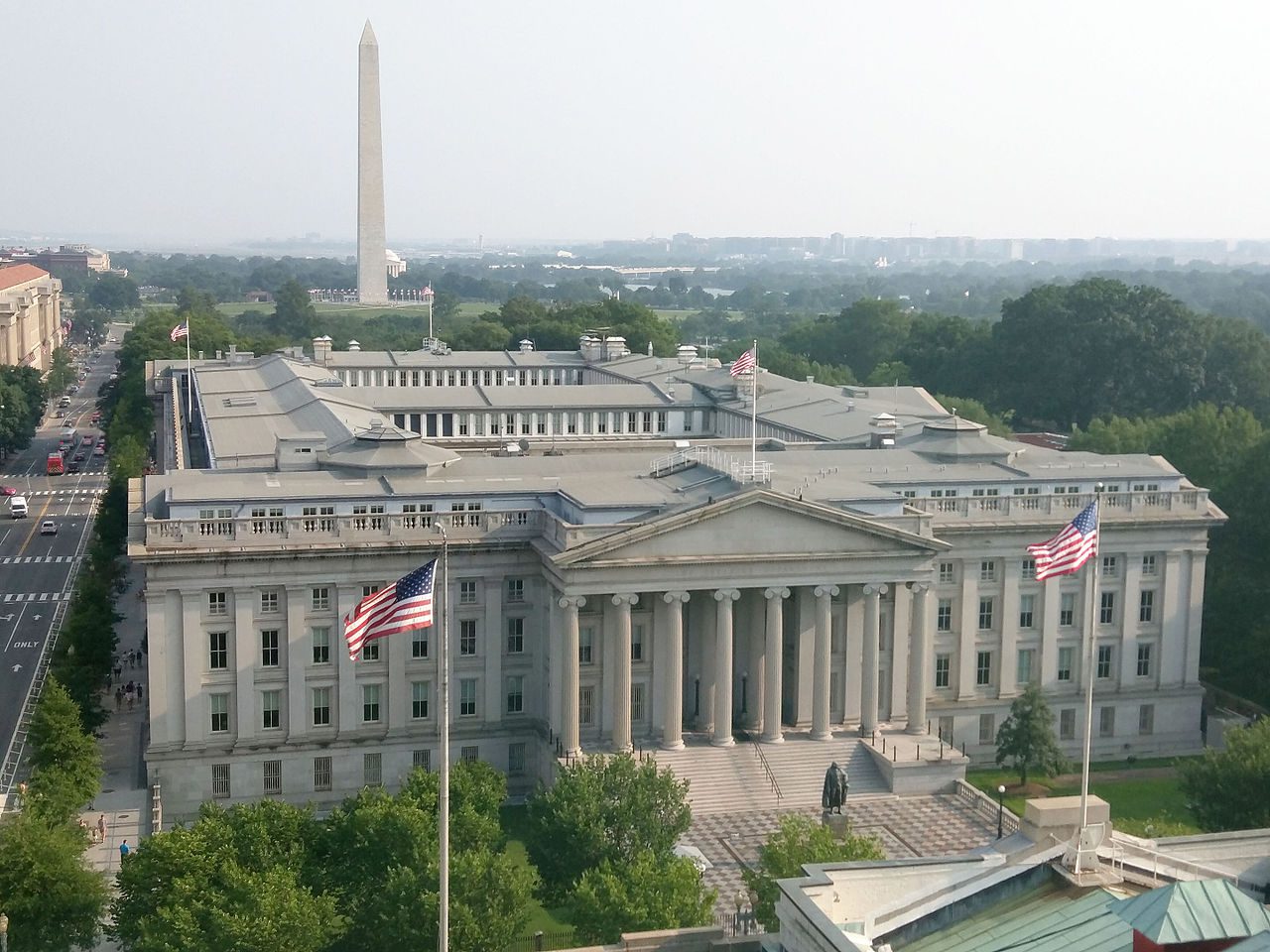
The new U.S. duties of 10% and 12.5% apply to imports from 60 trading partners, including the European Union and China. They replace a temporary global tariff that was due to expire and rely on different legal authorities from measures previously invalidated by the U.S. Supreme Court.
The Trump Administration says the tariffs are intended to encourage stronger enforcement against goods produced with forced labor while supporting domestic manufacturing. Oil, natural gas, fertilizer and certain products covered by existing trade agreements are exempt.
Two Economic Shocks Begin to Converge
Tariffs and rising energy prices affect economies through different channels, but their effects can reinforce one another.
Import duties increase the cost of foreign goods and industrial inputs used by manufacturers. Rising oil prices increase transportation, electricity, industrial production and agricultural costs. Businesses are then faced with difficult decisions about whether to absorb those costs, pass them on to consumers or reduce investment.
The New York Times has identified the convergence of the administration’s trade measures with the economic consequences of the Iran war as the central challenge now confronting businesses and policymakers. While economies can often adapt to individual disruptions, overlapping shocks make it considerably more difficult to reduce inflation without slowing economic activity.
That dynamic is particularly significant for central banks.
Higher interest rates can reduce consumer demand and ease inflationary pressures, but they cannot lower tariff rates or increase global energy supplies. As a result, monetary policymakers may find themselves balancing persistent inflation against weakening economic growth.
Markets Renew Focus on Stagflation Risks
Financial markets have become increasingly focused on the possibility that higher prices and slower growth could emerge simultaneously.
Reuters reported that the combination of elevated energy prices and new U.S. tariffs has revived concerns about stagflation—a period characterized by stubborn inflation alongside slowing economic activity. The news agency noted that energy-importing economies may be especially vulnerable because they face rising import costs, weaker currencies and pressure to maintain higher interest rates for longer.
The United States benefits from substantial domestic energy production, providing a degree of insulation relative to many energy-importing economies. Even so, American households and businesses remain exposed through higher fuel prices, transportation costs, imported goods and borrowing expenses.
For many emerging economies, prolonged increases in oil prices can place additional strain on government budgets, currencies and external debt, particularly when combined with slower global trade.
Why the Duration of the Conflict Matters
How long the Iran conflict persists—and whether it disrupts major shipping routes or energy infrastructure more broadly—may ultimately prove more important than the initial rise in oil prices.
The International Monetary Fund has distinguished between a short-lived disruption, in which energy prices eventually stabilize, and a prolonged conflict that keeps prices elevated, weakens economic growth and makes inflation more persistent. Under either scenario, the IMF expects higher prices and slower global growth to remain the principal macroeconomic consequences.
Economists generally distinguish between temporary supply disruptions, which businesses can often manage through inventories or delayed investment, and prolonged shocks that are more likely to reshape production strategies, supply chains and long-term capital investment.
The IMF had already lowered its 2026 global growth forecast following the outbreak of conflict in the Middle East, citing higher commodity prices, firmer inflation expectations and tighter financial conditions.
Trade Policy Faces a New Diplomatic Test
The administration is imposing the latest tariffs under Section 301 of the Trade Act of 1974, which allows the United States to respond to foreign practices deemed harmful to American commerce.
The forced-labor rationale gives the tariffs a human-rights dimension, but it is also likely to become a point of diplomatic debate as affected governments consider their response.
The Associated Press reported that while some labor-rights advocates believe economic pressure could encourage stronger enforcement, several governments affected by the tariffs have rejected the U.S. rationale and have raised the possibility of retaliatory trade measures.
Should additional retaliation emerge, the economic consequences could extend beyond the direct impact of the tariffs themselves, affecting export markets, supply chains and business confidence.
Businesses Confront a More Uncertain Environment
For multinational companies, the immediate challenge extends beyond calculating new tariff rates.
Manufacturers may reassess sourcing strategies, retailers must determine whether higher costs can be absorbed or passed on to consumers, and logistics providers continue to manage elevated transportation and fuel expenses alongside evolving trade rules.
Even businesses capable of adjusting their supply chains may delay major investment decisions while assessing the durability and scope of the new measures.
Economists have long observed that policy uncertainty can itself weigh on economic activity by encouraging companies to postpone capital investment until the regulatory and commercial environment becomes clearer.
A More Fragmented Global Economy
The latest tariffs underscore a broader shift in the international economic system.
Trade policy is increasingly being used to pursue objectives extending beyond commerce, including national security, industrial resilience, labor standards and strategic supply chain security.
Supporters argue that this approach reduces dependence on vulnerable foreign suppliers while strengthening domestic manufacturing. Critics contend that greater trade fragmentation may increase costs, reduce efficiency and weigh on long-term global growth.
Whether the latest tariffs ultimately strengthen U.S. manufacturing, reshape global supply chains or contribute to slower economic growth will depend on several factors, including the duration of the Iran conflict, the response of major trading partners and the ability of businesses to adapt to higher costs.
What is already evident is that trade policy, energy security and geopolitics are becoming increasingly interconnected. For governments, investors and businesses alike, economic decision-making is no longer shaped by any single event, but by the convergence of multiple global pressures unfolding at the same time.
RELATED STORIES:
 Follow SDG News on LinkedIn