Türkiye is positioning the upcoming COP31 climate summit as a pivotal moment for transforming global climate commitments into concrete action. But preparations for the major international gathering are unfolding against an increasingly volatile geopolitical backdrop as the Iran War intensifies just beyond the country’s southeastern borders.
The United Nations climate summit, scheduled for November in Antalya with a World Leaders Summit in Istanbul, is expected to convene nearly 200 countries to negotiate emissions reductions, climate finance, adaptation strategies, and the future of global carbon markets.
Turkish officials say their goal is to make COP31 a turning point for the international climate process, shifting the focus from new promises toward implementation and measurable outcomes.
Environment, Urbanisation and Climate Change Minister Murat Kurum, who will serve as COP31 president, said the conference should strengthen trust in the multilateral system while delivering tangible progress on climate action. Türkiye intends to prioritize a structural transformation roadmap that aligns energy-intensive industries with long-term net-zero goals.
Heavy industry alone accounts for roughly 40 percent of global emissions, underscoring the need for systemic changes across energy, manufacturing, and infrastructure.
Climate Policy Meets Energy Security
A central theme of COP31 will be the growing intersection between climate ambition and energy security.
Recent geopolitical conflicts have exposed vulnerabilities in global energy supply chains, increasing the urgency of developing resilient energy systems while accelerating the transition to cleaner power sources.
Global energy demand continues to rise rapidly, driven by population growth, economic expansion, and the electrification of transport and industry. Officials say the challenge facing policymakers is balancing development needs with the imperative to reduce emissions.
The urgency of that challenge is underscored by worsening environmental indicators. Nearly four billion people now face severe water scarcity for at least one month each year, while drought-related losses cost the global economy hundreds of billions of dollars annually. Meanwhile, wildfires destroyed roughly 3.7 million square kilometers of forests between 2024 and 2025, threatening some of the planet’s most important carbon sinks.
A Summit in the Shadow of War
Yet the path to COP31 is being shaped not only by environmental pressures but also by geopolitical turmoil.
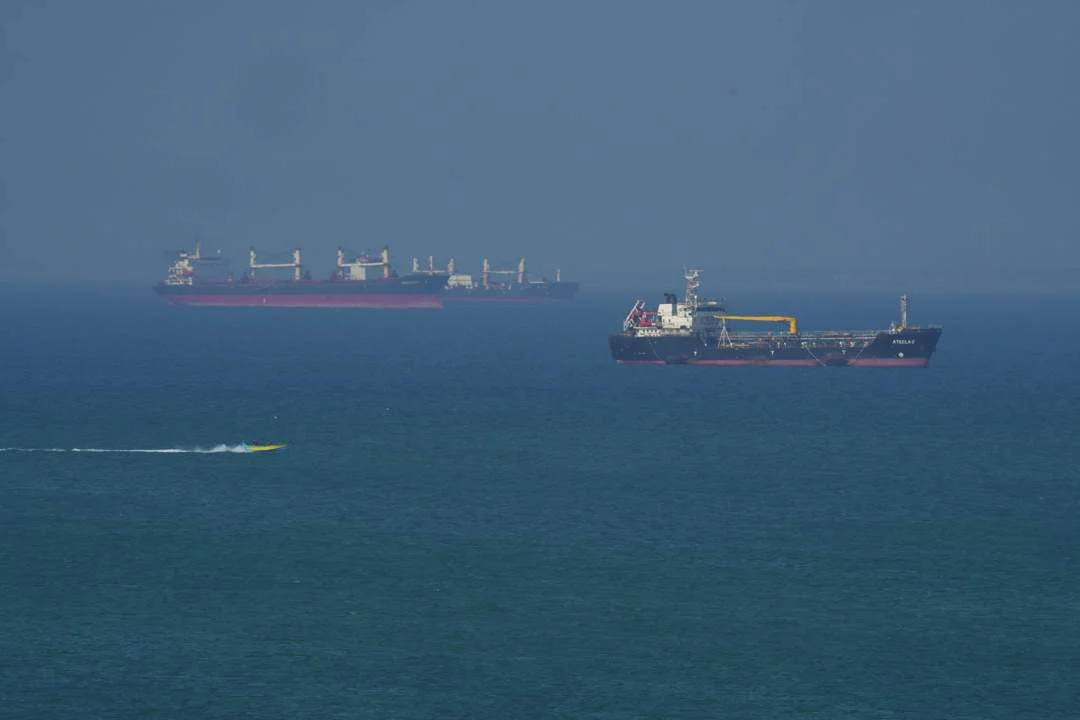
The ongoing Iran War has heightened regional tensions across the Middle East and Eastern Mediterranean, placing Türkiye in close proximity to a widening conflict zone. Turkish leaders have warned that the war risks drawing the broader region into instability if diplomacy fails.
For organizers, the conflict presents both logistical and political challenges.
Security planning for major international delegations is expected to be more complex, and global attention has shifted toward energy markets and geopolitical stability. The war has also highlighted the strategic importance of energy security, a topic that is likely to loom large in COP31 negotiations as governments confront the realities of supply disruptions and volatile oil markets.
At the same time, the conflict reinforces a broader tension shaping climate diplomacy: how to maintain momentum toward decarbonization while the world grapples with wars that disrupt energy systems and force governments to prioritize stability.
A Test for Climate Diplomacy
Against this backdrop, COP31 could become a test of whether the global climate process can remain effective during a period of geopolitical fragmentation.
Türkiye has framed its role as a bridge between developed and developing nations, seeking to advance climate justice, promote equitable transitions, and rebuild trust within the international system.
If successful, the Antalya summit could help shift climate diplomacy toward a new phase focused on delivery rather than declarations.
But with war reshaping global energy politics and geopolitical tensions rising, COP31 will unfold in a world where climate action is no longer only an environmental challenge. It is increasingly a question of security, stability, and the future architecture of global cooperation.
RELATED STORIES:
- COP30 Outcomes Set New Finance Commitments but Leave Fossil Fuel Phase-Out Unresolved
- Australia Rejects Turkey’s Joint COP31 Proposal as Hosting Deadlock Deepens
- Türkiye’s Murat Kurum to Lead Global Climate Diplomacy as COP31 President
- Pacific Islands Embed Climate Vulnerability at Center of COP31 Preparations
- Ethiopia Confirmed for COP32 as Australia–Türkiye Deadlock Leaves COP31 Uncertain
 Follow SDG News on LinkedIn