A new presidency of the region’s top environmental forum signals a shift from declarations to delivery— backed by forests, finance reform, and institutional overhaul
Panama is attempting something ambitious: transforming one of the world’s longest-running regional environmental forums from a platform of dialogue into an engine for measurable results.
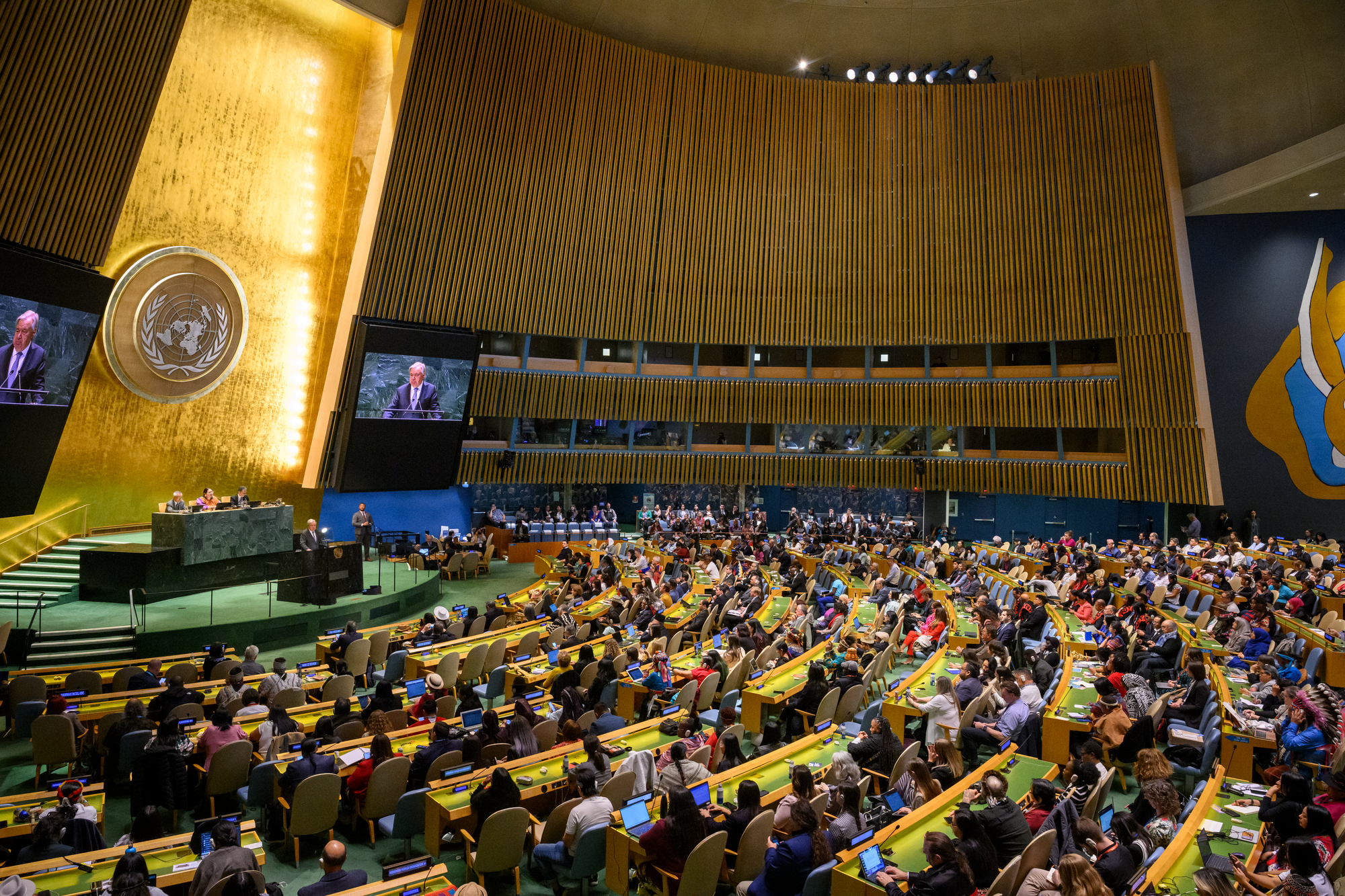
At the XXV Forum of Ministers of Environment of Latin America and the Caribbean, Panama’s presidency has laid out a clear mandate—move beyond commitments and into coordinated, on-the-ground action across 33 countries representing one of the planet’s most environmentally significant regions.
A Region at the Center of Three Global Crises
Latin America and the Caribbean sit at the intersection of the climate crisis, biodiversity loss, and land degradation—three interconnected challenges shaping the global environmental agenda.
But the region is also uniquely positioned to lead. It holds vast tropical forests, critical marine ecosystems, and some of the richest biodiversity on Earth, alongside Indigenous and local communities that play a central role in conservation.
Panama’s approach is rooted in a simple but consequential idea: these natural assets are not just environmental—they are economic, strategic, and global in significance.
The presidency’s vision is to reposition the region not as a passive victim of global crises, but as a provider of solutions that align development with nature.
Priority One: Protecting Natural Capital as Economic Infrastructure
At the core of Panama’s agenda is a reframing of forests, oceans, and biodiversity—not as environmental liabilities, but as foundational assets for sustainable development.
The presidency is pushing for coordinated regional action to achieve zero deforestation by 2030, strengthen protected areas, and expand community-based ecotourism models that link conservation with local economic growth.
There is also a clear push to elevate the region’s position in global environmental markets. Plans include exploring a regional framework for carbon markets and biodiversity credits, alongside stronger governance mechanisms to ensure environmental integrity.
Equally significant is the emphasis on aligning the Rio Conventions—climate, biodiversity, and desertification—into operational synergies, a long-standing gap in global environmental governance.
Priority Two: Fixing a Broken Financing System
If the first priority is about protecting natural capital, the second is about unlocking the capital needed to do it.
Panama’s presidency is blunt in its assessment: the current environmental financing architecture is fragmented, biased toward countries with stronger institutions, and largely inaccessible to local actors.
To address this, the Forum is prioritizing alignment across ministries of environment, economy, and agriculture to create a unified regional investment roadmap.
There are also plans to develop a regional “white paper” aimed at simplifying and harmonizing access to international climate and environmental funds—an effort that could reshape how capital flows into the region.
The implication is clear: without structural reform, even the most ambitious environmental goals will remain underfunded.
Priority Three: Modernizing the System Itself
The third pillar is perhaps the most politically sensitive—reforming the Forum itself.
Currently operating through 12 working groups with overlapping mandates and limited outputs, the Forum is widely seen as fragmented. Panama is proposing a consolidation into fewer, more effective groups with clear mandates, budgets, timelines, and accountability mechanisms.
A new working group focused on coordinating the Rio Conventions, the Biodiversity Beyond National Jurisdiction (BBNJ) agreement, and plastics negotiations is also on the table—signaling a move toward integrated environmental governance.
The goal is not just efficiency, but credibility: a system that delivers results rather than producing declarations.
From Multilateral Participation to Multilateral Power
Underlying all three priorities is a broader strategic shift—toward what Panama calls “active multilateralism.”
Rather than reacting to global agendas, the region aims to present unified positions in international negotiations, particularly around financing mechanisms and environmental governance frameworks.
This includes elevating the role of Indigenous Peoples and local communities from observers to co-designers of policy, as well as embedding measurable outcomes into every initiative.
The Stakes: From Narrative to Execution
For decades, the Forum of Ministers has been a space for alignment and dialogue. Panama’s presidency is betting that the next phase must be defined by execution.
That shift—if realized—could reposition Latin America and the Caribbean as a global leader not just in environmental stewardship, but in the design of a new development model where nature, finance, and policy converge.
The question is whether the region can translate its natural wealth and political will into systems that deliver at scale.
Because in a world searching for climate solutions, the region is no longer peripheral.
It is central.
RELATED STORIES:
- Latin America’s Answer to Davos Begins Tomorrow in Panama
- 2025 Nature Summit in Panama: Bridging Sectors to Tackle Climate Change
- Nature Summit Focuses on Economic Drivers of Climate Action in Panama
- Panama Tops Global Rankings as Green Climate Fund Selects New Regional Hubs
- Spotlight: Juan Carlos Navarro, Minister of Environment, Panama
 Follow SDG News on LinkedIn