Just days after optimism emerged that commercial shipping was returning to one of the world’s most strategically important maritime corridors, a single attack has underscored how precarious the peace remains.
An Iranian drone strike on a Singapore-flagged cargo vessel transiting the Strait of Hormuz has renewed concerns that the world’s most important energy chokepoint could once again become a flashpoint with global economic consequences. While the vessel sustained damage to its bridge and no casualties were reported, the attack has shaken confidence in efforts to restore normal commercial traffic following months of conflict between Iran, the United States and Israel.
The incident comes at a particularly delicate moment.
Only weeks ago, Washington and Tehran appeared to have reached an interim framework designed to reopen the Strait after months of disruption. The understanding reportedly coupled the resumption of maritime navigation with phased sanctions relief and broader negotiations aimed at reducing regional tensions.
Now, that diplomatic momentum faces its first major test.
More Than an Oil Route
The Strait of Hormuz is far more than a narrow passage between the Persian Gulf and the Gulf of Oman. Roughly one-fifth of the world’s seaborne oil trade moves through its waters, making it one of the most consequential maritime chokepoints in the global economy.
For governments across Asia, Europe and beyond, uninterrupted navigation through Hormuz is directly linked to energy affordability, inflation, food prices, manufacturing costs and overall economic stability. Even limited disruptions can ripple quickly through international supply chains.
Although shipping traffic had begun cautiously increasing following the ceasefire arrangements, insurers, shipping companies and energy markets remain highly sensitive to renewed security threats. The latest attack illustrates how a single incident can reverberate far beyond the Middle East.
Diplomacy Meets Reality
The attack also exposes one of diplomacy’s greatest challenges: agreements on paper must ultimately survive events at sea.
According to U.S. officials, the strike violated the emerging understanding intended to guarantee freedom of navigation through the Strait. Iranian officials, meanwhile, have continued insisting that only approved shipping routes can be guaranteed safe passage, reflecting continuing disagreements over implementation even as negotiations continue.
Complicating matters further are broader economic negotiations between Washington and Tehran.
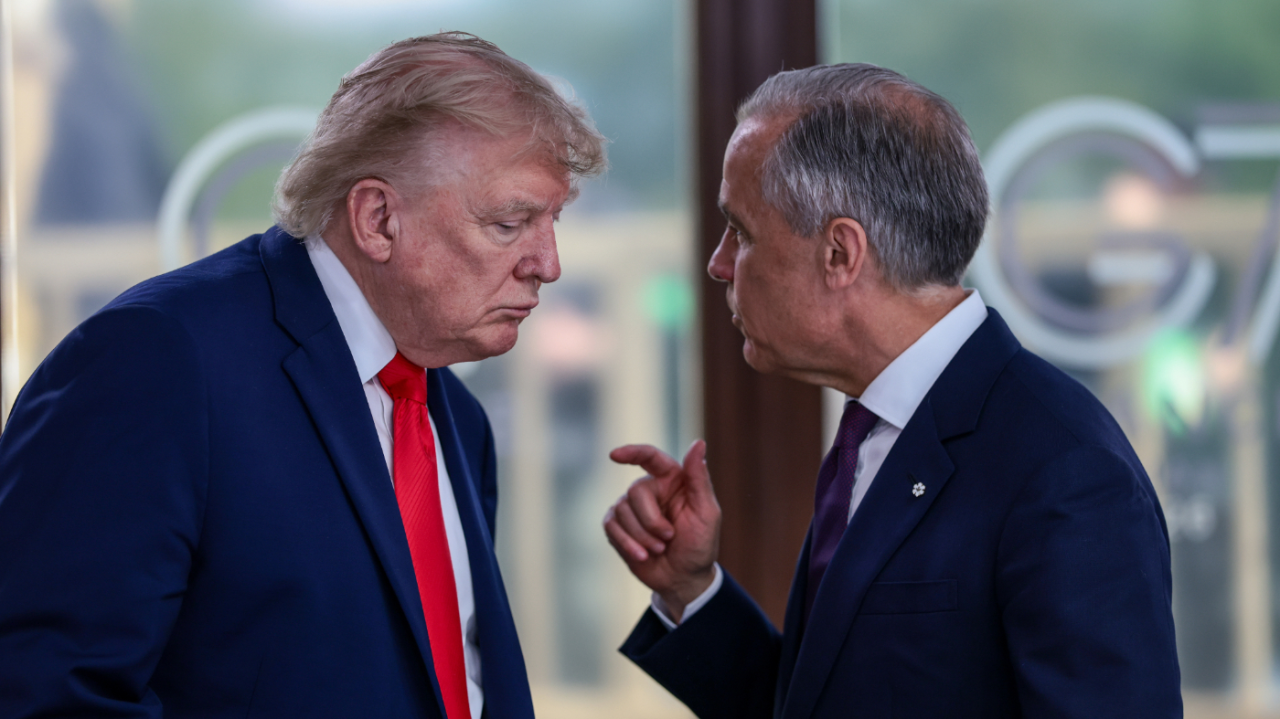
President Donald Trump has argued that any unfrozen Iranian assets would be used to purchase American agricultural products, presenting the arrangement as both a diplomatic breakthrough and an economic opportunity for U.S. farmers. Iranian officials, however, have publicly disputed that characterization, highlighting the competing narratives surrounding the negotiations and the unresolved issues that remain.
Markets Searching for Direction
Despite the renewed security concerns, global energy markets have delivered a nuanced response.
Oil prices initially rose on fears that shipping disruptions could again constrain global supply, before retreating as commercial vessels cautiously resumed transit and investors concluded that a complete closure of the Strait remained unlikely. The volatility reflects a market attempting to balance immediate geopolitical risks against expectations that diplomatic efforts will ultimately prevail.
That cautious optimism, however, rests on fragile foundations.
The attack prompted renewed security assessments for commercial shipping, while international maritime authorities paused aspects of their operational planning as they reassessed risks in the region.
A Test for International Leadership
For governments around the world, the latest incident serves as a reminder that maritime security remains inseparable from global economic resilience.
The Strait of Hormuz is not simply a regional concern; it is critical infrastructure for the international economy. Its stability affects energy-importing nations across Europe and Asia, developing economies vulnerable to commodity price shocks, and businesses dependent on predictable global trade.
The challenge now extends beyond preventing another attack. It is whether diplomatic agreements can evolve into durable mechanisms that restore confidence among shipowners, insurers, investors and governments alike.
The drone strike may have damaged only one vessel.
Its broader significance lies in demonstrating how quickly confidence in one of the world’s most vital shipping lanes can be shaken—and how much international cooperation will be required to ensure that a fragile ceasefire becomes a lasting peace.
RELATED STORIES:
 Follow SDG News on LinkedIn