U.S. President publicly warns Netanyahu he could be “on your own” if hostilities resume, exposing growing tensions between Washington and Jerusalem.
The Middle East stepped back from the brink of a wider regional war this week after Israel and Iran halted direct attacks following a dramatic intervention by U.S. President Donald Trump, who now claims a broader peace deal could be finalized within “two or three days.”
The de-escalation followed a dangerous round of missile strikes and retaliatory attacks that threatened to collapse a fragile ceasefire reached earlier this year. Trump has since described negotiations with Iran as being in their “final throes,” expressing confidence that a diplomatic breakthrough is imminent despite continued volatility across the region.
The latest developments have also exposed an increasingly public disagreement between Washington and Jerusalem over how aggressively to confront Iran.
Trump Draws a Red Line
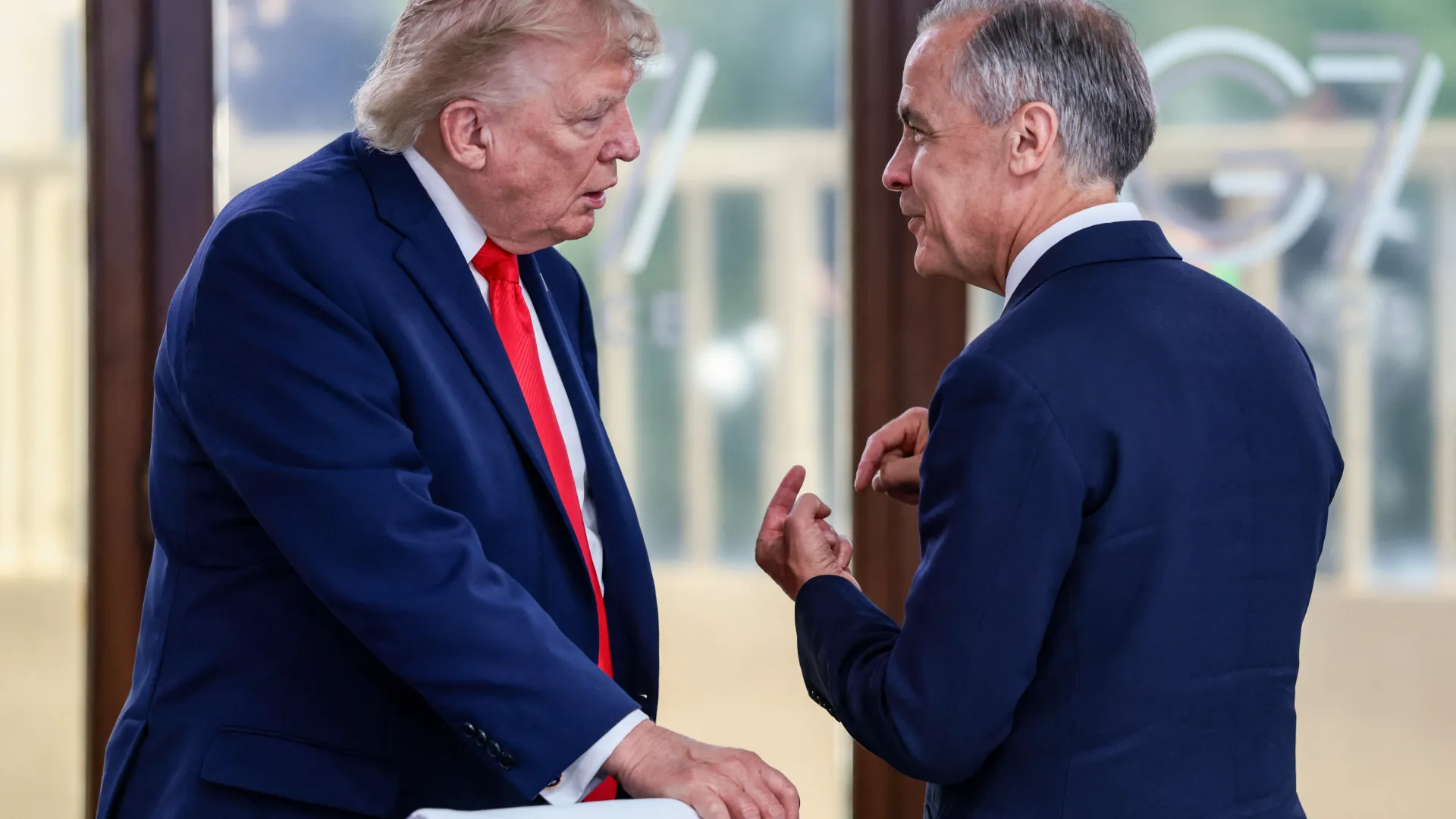
According to multiple reports, Trump personally warned Israeli Prime Minister Benjamin Netanyahu against launching additional attacks on Iran, fearing they could derail ongoing negotiations.
“I said, ‘Bibi, you better be careful, or you will be on your own very soon,'” Trump reportedly told reporters, suggesting that continued escalation could jeopardize U.S. support for Israeli military operations. Reuters and other outlets reported that Trump privately urged Netanyahu not to reopen the conflict and warned against dragging the United States into a broader regional war.
The warning represents one of the strongest public signals yet of tension between the two leaders over the future of the conflict.
Trump later stated that he believes a peace deal between Iran and the United States could be reached within days, arguing that recent military pressure has created momentum for a diplomatic settlement.
Israel and Iran Pull Back—For Now
Following Trump’s intervention, Netanyahu announced that Israel would “hold fire” against Iran, while Iranian officials indicated that their military response had concluded. Both governments, however, emphasized that they retain the right to respond if attacked again.
The latest confrontation began after Israeli strikes in Beirut triggered Iranian missile attacks against Israel. Trump reportedly called Netanyahu urging restraint, but Israel nevertheless launched strikes on Iranian targets before both sides eventually stepped back from further escalation.
The crisis rattled global markets, briefly driving oil prices higher amid fears that conflict could disrupt shipping routes and energy exports through the Strait of Hormuz, one of the world’s most strategically important maritime chokepoints. Regional markets later recovered after news of the halt in attacks and renewed diplomatic activity.
A Growing U.S.-Israel Divide
While the United States appears focused on securing a negotiated settlement with Tehran, Israel’s government continues to emphasize military deterrence and maintaining pressure on Iran and its regional allies.
The divergence has become increasingly visible. Trump has repeatedly argued that a diplomatic agreement is within reach and has sought to prevent further military escalation. Netanyahu, meanwhile, faces domestic political pressure to demonstrate strength against Iran and Hezbollah.
The result is an unusual public debate between two longtime allies over how to manage one of the Middle East’s most consequential security crises.
Why This Matters
Whether Trump’s prediction proves accurate remains uncertain. Deep disagreements remain over Iran’s regional role, its nuclear ambitions, sanctions relief, and the future of armed groups across Lebanon, Syria, Iraq, and Yemen.
Yet the significance of this week’s events extends beyond the immediate ceasefire.
For the first time since the latest conflict erupted, Washington is openly signaling that its support for continued military action may not be unconditional. At the same time, Trump is attempting to convert a military standoff into a diplomatic breakthrough, betting that the threat of wider war has created an opening for negotiation.
If a deal does emerge in the coming days, it would mark one of the most consequential diplomatic developments in the Middle East in years. If it fails, this week’s pause may be remembered not as the beginning of peace, but as a brief intermission before a much larger confrontation.
RELATED STORIES:
- Trump Invokes Wartime Powers to Channel $700 Million Into Coal Industry
- Norway Joins France’s Nuclear Deterrence Initiative as Europe Reassesses Security Dependence on the United States
- A Russian Drone Hit Romania. NATO’s Eastern Flank Just Got More Dangerous.
- Trump Threatens Military Action Against Oman Amid Escalating Strait of Hormuz Dispute
- Pentagon Ban on Anthropic Reorders the Defense AI Market
 Follow SDG News on LinkedIn