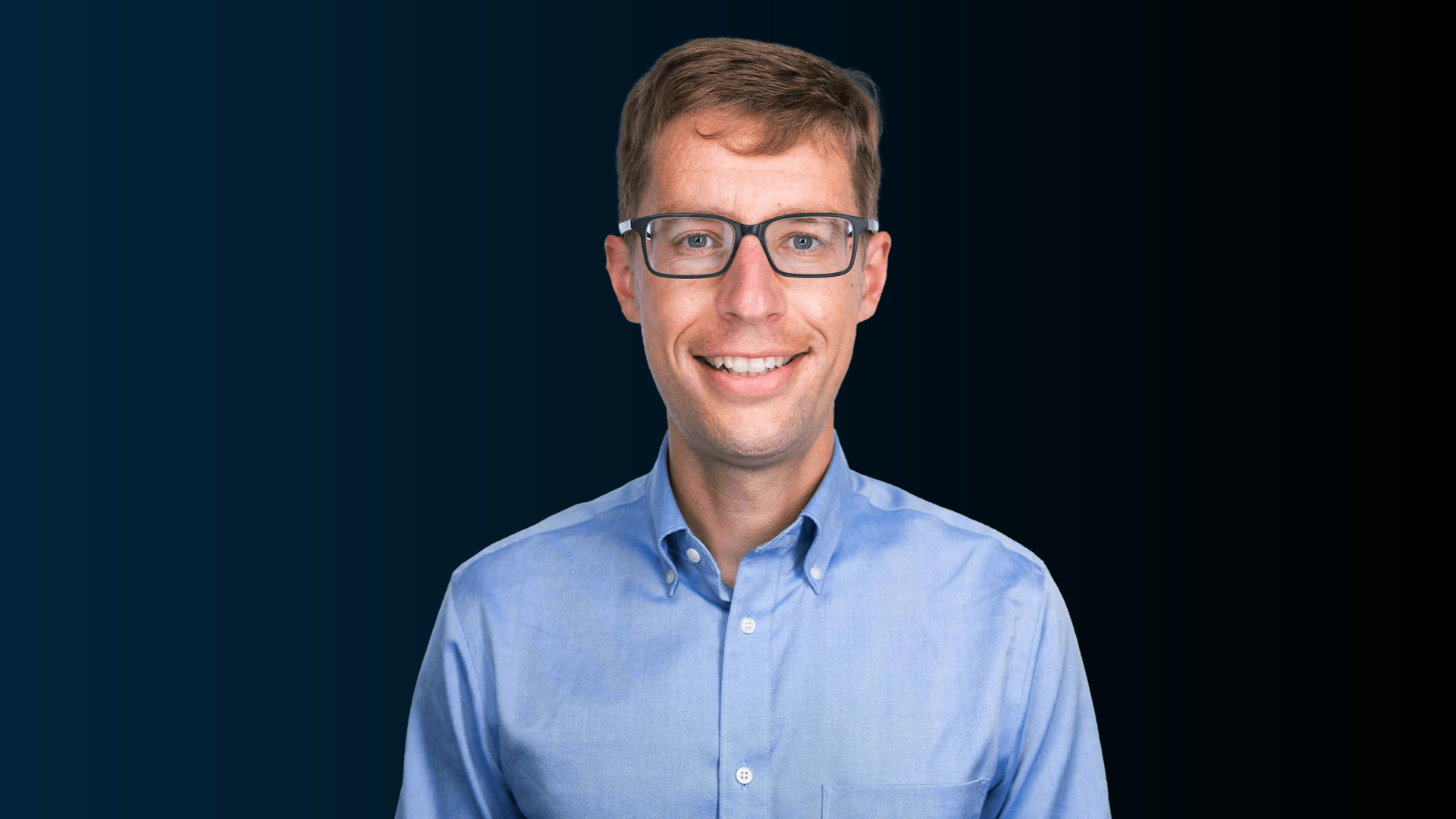
Elica Kyoseva, Director, Quantum Algorithm Engineering, NVIDIA
Elica Kyoseva works at one of the most consequential intersections in advanced computing: where quantum systems, artificial intelligence and accelerated computing begin to converge.
At NVIDIA, she leads teams focused on quantum algorithms and applied research, with an emphasis on using AI supercomputing to overcome bottlenecks in quantum computing. Her work spans areas such as large-scale device modeling, quantum circuit generation and algorithm development, all aimed at making quantum systems more useful within broader computing architectures.
Her path to that role has consistently centered on translating quantum science into applications. Before joining NVIDIA, Kyoseva created and led the Quantum for Bio program at Wellcome Leap, exploring how quantum technologies could contribute to advances in biology and medicine. She holds a PhD in quantum optics from the University of Sofia.
Today, that translational focus sits within NVIDIA’s broader vision for hybrid computing.
The company’s CUDA-Q platform is designed to allow CPUs, GPUs and quantum processing units to work together within a single programming environment. Rather than treating quantum as a standalone successor to classical computing, the model is one of integration — with different architectures handling the parts of a problem they are best suited to solve.
The Distinction
Elica Kyoseva’s significance lies in working at the interface between two technological revolutions that are often discussed separately.
Artificial intelligence is already reshaping the economics and architecture of computing. Quantum remains at an earlier stage, but its development increasingly relies on tight integration with classical computing for simulation, control and error-management workflows.
AI is beginning to add another layer.
In 2026, Elica Kyoseva was among the NVIDIA researchers behind QCalEval, a benchmark designed to evaluate how vision-language models interpret quantum calibration plots. The work offers a concrete example of how AI can be applied to some of the practical challenges involved in operating quantum systems.
The Bigger Signal
Elica Kyoseva represents an important shift in how the future of computing is being conceived.
For years, quantum computing was often framed as a potential successor to classical computing. The emerging model is more integrated: CPUs, GPUs, AI systems and quantum processors functioning together as parts of a larger computational architecture.
That distinction matters.
Useful quantum computing may depend as much on how effectively quantum processors integrate with existing computational infrastructure as on advances in quantum hardware itself.
NVIDIA is betting heavily on that convergence, and Kyoseva’s work sits directly within it.
Her role is not simply about developing better quantum algorithms. It is about helping determine how quantum computing fits into a world already being reshaped by AI and accelerated computing.
What to Watch: Whether increasingly tight integration between AI, GPUs and quantum processors becomes the dominant architecture for useful quantum computing, and whether that convergence can accelerate the path from experimental systems toward practical applications.
 Follow SDG News on LinkedIn