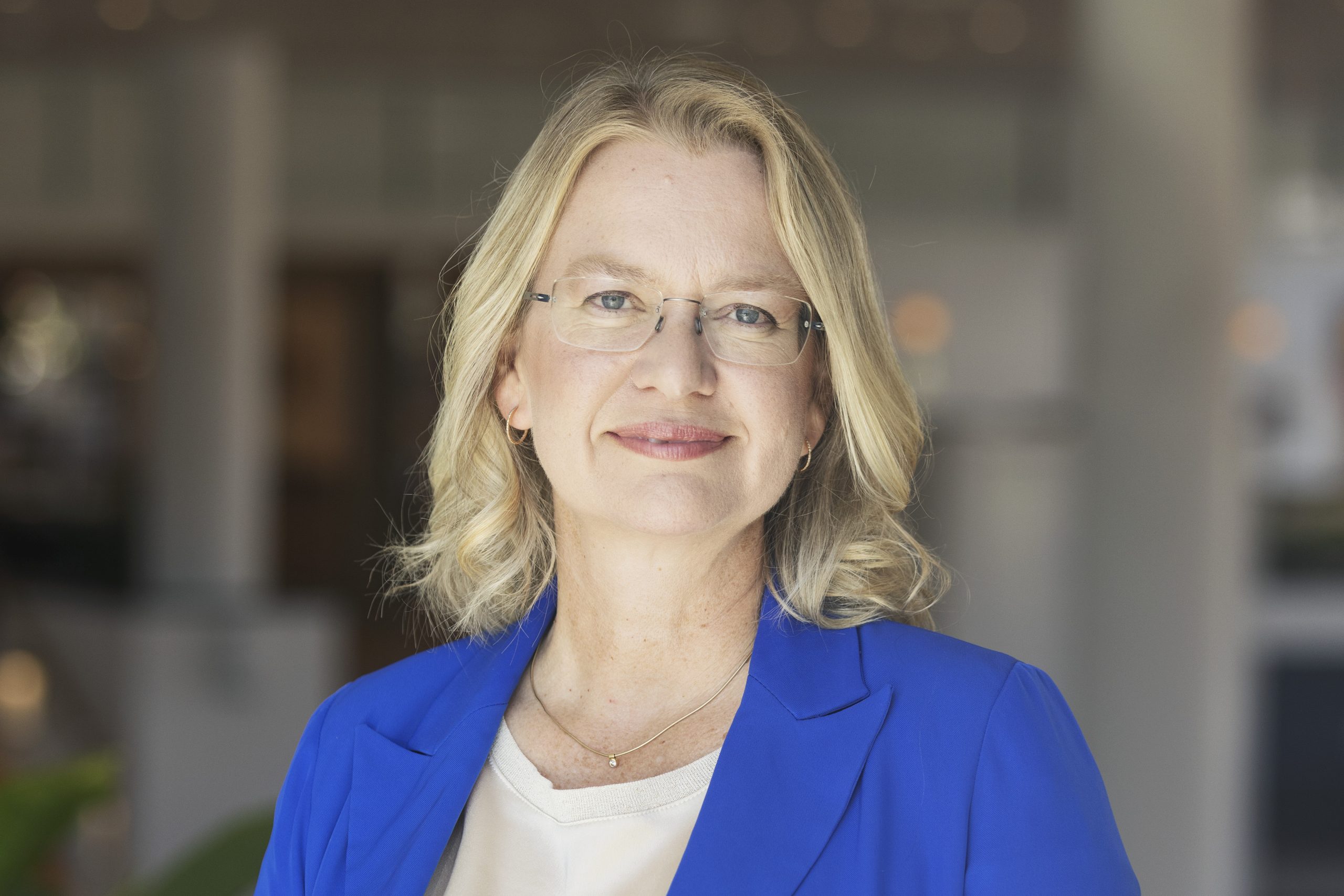
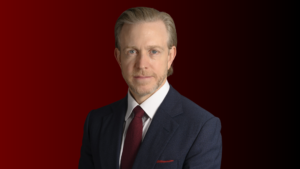
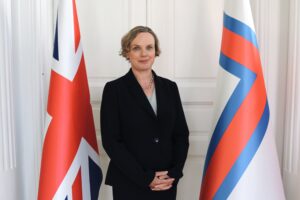
Rodrigues-Birkett has moved into first place, Grynspan has slipped and Otunnu is gaining. But the second Security Council poll points to a deeper shift: the Council is moving further from consensus.
UNITED NATIONS — The second UN Secretary-General poll in the race to succeed António Guterres has reshuffled the leaderboard without producing a clear frontrunner.
How the UN Secretary-General Is Chosen
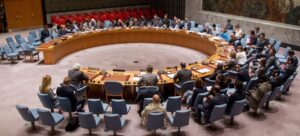
The UN Secretary-General is formally appointed by the 193-member General Assembly, but the decisive contest takes place first inside the 15-member Security Council.
A candidate ultimately needs:
- At least nine affirmative Security Council votes
- No negative vote from any of the five permanent members — China, France, Russia, the United Kingdom and the United States
- A P5 abstention does not count as a veto
The current straw polls test that support. Council members mark candidates “encourage,” “discourage” or “no opinion.” For now, P5 ballots are indistinguishable from those of elected members, so a discourage vote could come from a country capable of eventually blocking a candidate.
That is critical to interpreting the results.
Guyana’s Carolyn Rodrigues-Birkett emerged from the August 21 poll with the most encourage votes, overtaking Costa Rica’s Rebeca Grynspan, who led the first round on July 30. Uganda’s Olara Otunnu recorded the strongest upward movement between the first two polls, while former Chilean President Michelle Bachelet suffered the steepest decline.
But the more important development is this: opposition has increased across much of the field.
No candidate received nine encourage votes, and it remains impossible to know whether leading candidates face P5 opposition.
How the Race Moved
Rodrigues-Birkett is now technically in front, but her support fell from nine to eight while her discourage count rose from two to three.
She did not surge past Grynspan.
Grynspan fell behind her.
Grynspan Loses Her Early Advantage
Grynspan entered the second round with the strongest numbers: 10 encourage votes, one discourage and four no opinions.
Three weeks later, she had seven encourage and four discourage votes.
Because ballots are anonymous, it is impossible to know how individual Council members shifted. But the aggregate movement is clear: the Council became substantially less favorable to her candidacy.
She remains firmly in contention, but the first poll no longer looks like the beginning of consolidation.
Rodrigues-Birkett Leads — But Has Not Broken Away
Rodrigues-Birkett now holds the lead, with eight encourage votes and fewer discourage votes than most of the field.
But the math is deceptive.
She could reach nine and still be blocked if one of her negative votes comes from a permanent member.
Conversely, she does not need affirmative support from all five permanent powers. What she needs is nine votes and P5 non-opposition.
Grossi Shows Why “Discourage” Matters
Argentina’s Rafael Grossi held steady at seven encourage votes.
But his discourage tally jumped from two to six.
That is a major deterioration. Only two Council members now remain undecided on his candidacy, meaning much of the movement has gone against him.
As the race narrows, reducing opposition may become as important as gaining supporters.
Otunnu Posts the Strongest Upward Movement
Otunnu’s encourage votes rose from two to five, while his discourage tally stayed at five and no opinions fell from eight to five.
He remains four votes short of the formal threshold, but he recorded the strongest upward movement between the first two polls.
Espinosa Remains Fluid
María Fernanda Espinosa slipped from five encourage votes to four, while her discourage tally rose from two to three.
Yet eight Council members still express no opinion.
That gives her the largest unresolved bloc in the race. It does not make her a hidden frontrunner, but it means her position remains more fluid than candidates already facing larger blocs of opposition.
Bachelet and Sall Face Difficult Mathematics
Bachelet fell from six encourage votes to two, while no opinions rose to seven.
Sall’s numbers did not move: six encourage, seven discourage and two no opinions.
Even if both undecided Council members moved to Sall, he would still have only eight votes. He now needs at least one current opponent to reverse position.
A-Baki Starts From Behind
Ivonne A-Baki entered the straw polls with no encourage votes, eight discourage votes and seven no opinions.
Her late entry drew attention after she said she had U.S. backing, though Washington has not publicly confirmed that support.
Because the identities behind her discourage votes are unknown, it is impossible to know whether she already faces P5 opposition. Numerically, however, she starts from the most difficult position in the field.
The Regional Factor Is Growing
There is no formal rule requiring geographic rotation, but regional balance has long influenced the politics of the selection process.
Latin America and the Caribbean is widely viewed as having a strong claim in 2026.
That makes the current standings notable:
The top three candidates are all from the region.
Rodrigues-Birkett is from Guyana, Grynspan from Costa Rica and Grossi from Argentina.
If Council members increasingly consolidate around a Latin American or Caribbean successor, that could narrow the viable field. But regional preference alone cannot overcome the need for nine votes and P5 non-opposition.
Gender Also Matters
No woman has ever served as UN Secretary-General.
General Assembly Resolution 79/327 encouraged member states to strongly consider nominating women and strengthened attention to gender and regional diversity in the selection process.
The current top two — Rodrigues-Birkett and Grynspan — are both women from Latin America and the Caribbean, aligning with two of the strongest political currents surrounding the 2026 race.
Yet neither has demonstrated that she can command the Council.
The Next Phase Could Change Everything
The first two straw polls have used identical ballots for permanent and elected members.
Later rounds are expected to move toward color-coded ballots distinguishing P5 votes, though the timing remains at the Council’s discretion.
That could transform the race.
A candidate with eight or nine encourage votes could discover that one discourage vote comes from a permanent member, creating a potentially decisive obstacle. Another candidate further down the standings could suddenly appear more viable if all five permanent powers remain willing to let them advance.
At that stage, the race becomes less about ranking and more about survivability.
What the UN Secretary-General Poll Signals: No Consolidation
The first poll appeared to establish a hierarchy.
Grynspan had 10 encourage votes. Rodrigues-Birkett had nine. Grossi had seven.
Three weeks later, the picture is less settled.
The new leader has fewer supporters than the old leader had in July. Grynspan has lost ground. Grossi has accumulated opposition. Otunnu is rising but remains well short of nine. Espinosa retains a large undecided bloc. Sall is stationary. Bachelet has fallen sharply. A-Baki begins at the bottom.
Most strikingly, the first round had two candidates at or above the nine-vote benchmark.
The second has none.
That does not mean either candidate could have survived a formal vote in July. But it does show that the Council has moved away from numerical convergence rather than toward it.
The field is becoming more differentiated without becoming more settled.
What to Watch
The next decisive signal may not be who gains the most encourage votes.
It may be whether opposition begins disappearing around one candidate.
Rodrigues-Birkett must regain support. Grynspan must stop her slide. Grossi must reduce opposition. Otunnu must convert gains into broader backing.
And once P5 preferences become distinguishable, the race could change quickly.
The second straw poll has produced a new frontrunner. It has not produced evidence that the Security Council is close to finding its next Secretary-General.
 Follow SDG News on LinkedIn