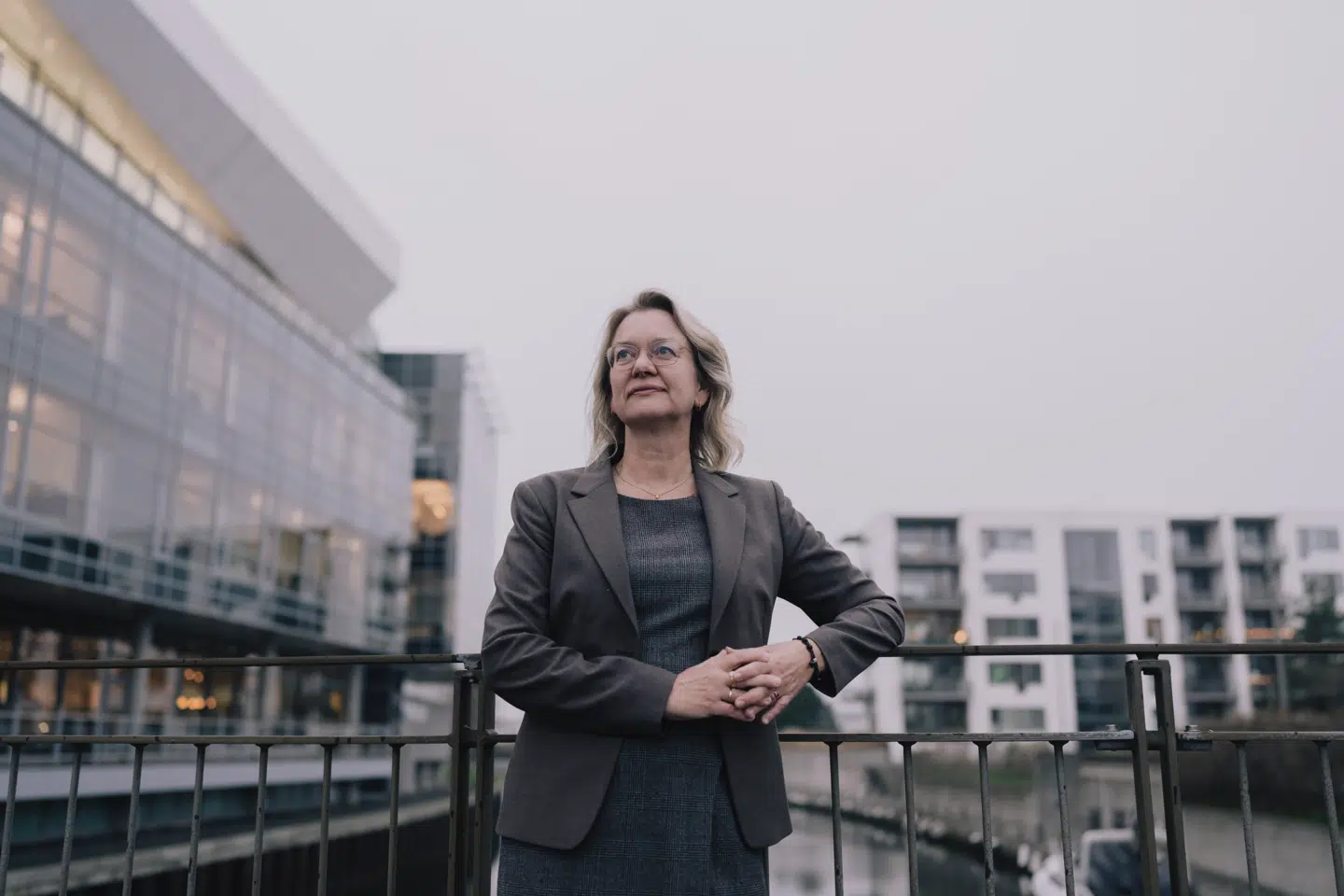
The AI Pioneer Building a Safer Future
Few people have done more to create the modern era of artificial intelligence than Professor Yoshua Bengio. He is often described as one of the “godfathers of AI.” Bengio’s groundbreaking work in deep learning helped lay the scientific foundations for today’s generative AI revolution. His research has transformed fields ranging from natural language processing and computer vision to scientific discovery. It earned him the 2018 A.M. Turing Award, widely regarded as the Nobel Prize of computing, and made him the most cited computer scientist in the world.
Yet today, Bengio is known as much for asking difficult questions about AI’s future as he is for helping create it.
The capabilities of frontier AI systems are accelerating. In response, he has emerged as one of the world’s leading advocates for keeping artificial intelligence safe, trustworthy, and aligned with humanity’s long-term interests. That mission has made him a central figure at the AI for Good Global Summit 2026. There he will deliver a keynote on “Engineering Safer AI to Mitigate Global Risks.” He will also join a high-level discussion with fellow members of the UN’s Independent International Scientific Panel on AI.
From Deep Learning Pioneer to AI Safety Leader
For decades, Bengio’s work focused on expanding what artificial intelligence could achieve.
He is a professor at the Université de Montréal and founder of Mila, one of the world’s leading AI research institutes. There he helped train generations of researchers who now lead AI laboratories across academia and industry. His scientific contributions fundamentally changed the trajectory of machine learning. They enabled many of the breakthroughs that underpin today’s AI systems.
But as AI capabilities advanced, so did his concerns.
Rather than stepping away from the field he helped build, Bengio chose a different path. He dedicated the next phase of his career to ensuring its safe development.
Engineering Safety Into AI
In 2025, Bengio launched LawZero, a nonprofit research organization dedicated to developing “safe-by-design” artificial intelligence.
The initiative reflects a firm belief. AI safety cannot rely solely on policy or regulation after technologies are deployed. Instead, safety must be embedded into the architecture of AI systems themselves.
LawZero is pursuing new approaches designed to reduce risks such as deception, loss of human control, misuse, and unintended autonomous behavior. Among its central ideas is what Bengio calls “Scientist AI.” These are systems focused on understanding and reasoning rather than acting autonomously. They could potentially provide oversight for increasingly capable AI agents.
For Bengio, the objective is not to slow scientific progress, but to ensure that progress remains compatible with human flourishing.
Science at the Heart of Global AI Governance
Beyond his scientific leadership, Bengio has become one of the world’s most influential voices on international AI governance.
He serves as Co-Chair of the United Nations’ Independent International Scientific Panel on AI. The Panel brings together leading researchers from around the world. Together they provide governments with independent, evidence-based assessments of AI’s opportunities, risks, and societal impacts.
He also chairs the International AI Safety Report. It is another major international effort to build a shared scientific understanding of frontier AI risks.
These roles reflect a broader conviction. Effective governance must be grounded in rigorous science, international cooperation, and transparent evidence. It cannot rest on geopolitical competition or commercial interests alone.
Innovation and Responsibility Go Together
Bengio has become one of the world’s leading voices on AI safety. Even so, he has consistently rejected the false choice between innovation and responsibility.
Artificial intelligence has extraordinary potential, he argues. It can accelerate scientific discovery, improve healthcare, advance education, address climate challenges, and contribute to sustainable development. Realizing those benefits, however, requires building systems that people can trust.
The AI for Good Global Summit reflects that same philosophy. It seeks to harness AI’s transformative capabilities while keeping them aligned with human values and the public interest. Bengio’s work demonstrates that safety is not an obstacle to innovation. It is one of its essential foundations.
Yoshua Bengio at a Glance
- Role
- Professor at the Université de Montréal; founder of Mila; founder of LawZero; Co-Chair of the UN Independent International Scientific Panel on AI
- Country
- Canada
- Known for
- Turing Award-winning deep learning pioneer and the world’s most cited computer scientist, now a leading voice on AI safety
- At AI for Good 2026
- Keynote on “Engineering Safer AI to Mitigate Global Risks”
Why His Leadership Matters
Few scientists have had a greater influence on artificial intelligence than Yoshua Bengio.
Fewer still have been willing to challenge the trajectory of the technology they helped invent.
AI capabilities are advancing faster than governance frameworks can adapt. At this moment, Bengio represents a rare combination of scientific authority, intellectual humility, and public leadership. He understands both the extraordinary promise of artificial intelligence and the profound responsibility that comes with it. The systems he helped create may reshape every aspect of human society.
Governments, researchers, and industry leaders are gathering at the AI for Good Global Summit. Bengio’s message to them is both urgent and optimistic. The future of AI is not predetermined. Through thoughtful science, international cooperation, and responsible engineering, humanity can still keep one of history’s most powerful technologies in service of the common good.
The Series
AI for Good Global Leaders
Twelve leaders shaping how artificial intelligence serves people and planet, profiled by SDG News throughout the AI for Good Global Summit 2026 in Geneva.
Explore All Twelve Leaders Follow SDG News on LinkedIn